ADD/ADHD
ADD/ADHD and the Gut-Brain Connection
ADD/ADHD is commonly recognized as a condition that affects attention, focus, organization, and impulse control. While it is traditionally viewed as a brain disorder, growing research suggests the brain and digestive system are closely connected through what is known as the gut-brain axis. This constant communication means that the health of the gut may influence mood, behavior, and cognitive function.
Treatment from a natural perspective focuses on improving the health of the digestive system rather than simply augmenting/managing ADD/ADHD symptoms. This may include restoring a healthy balance of beneficial gut bacteria, reducing inflammation, addressing food sensitivities, and repairing the intestinal lining when needed. By improving gut function, some individuals may experience better focus, improved attention, increased energy, and fewer behavioral symptoms.
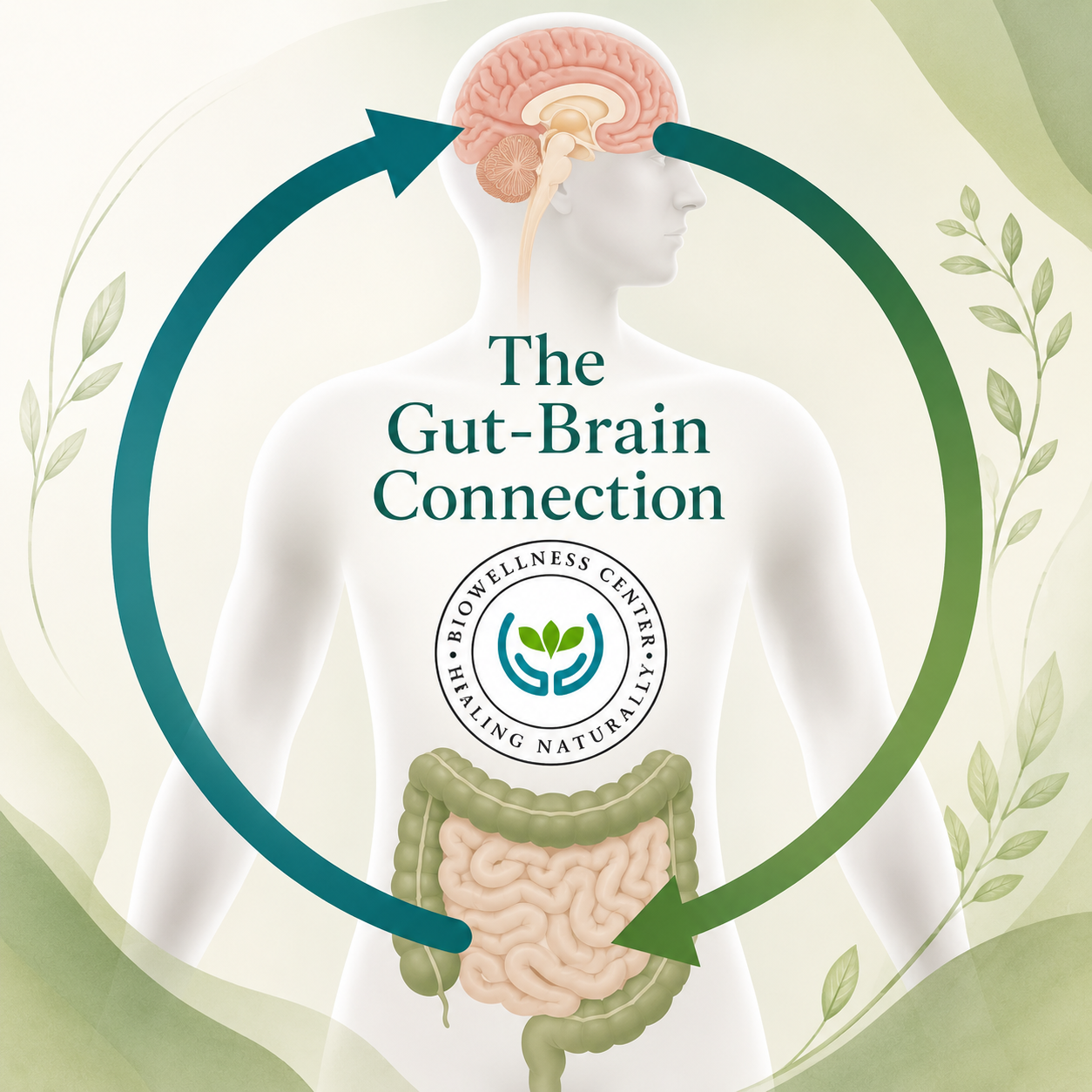
Recent clinical research supports this growing area of interest. In a 12-week study, children with ADD/ADHD who took the probiotic Bifidobacterium bifidum (Bf-688) alongside their regular ADD/ADHD natural herbs and enzymes experienced greater improvements in attention and focus compared to those taking a placebo. Researchers also found positive changes in the gut microbiome and fewer gastrointestinal side effects. Healthy gut bacteria may help produce compounds involved in dopamine, serotonin, GABA, vitamin B6, and other pathways that support attention, learning, and overall brain health.
Poor gut health, including an imbalance of gut bacteria, chronic inflammation, food sensitivities, and reduced absorption of important nutrients, may contribute to symptoms such as brain fog, difficult/poor concentration, hyperactivity, and fatigue. Supporting digestive health may help improve communication between the gut and brain, allowing the body to better absorb nutrients that play an important role in healthy brain function.
As scientists continue to better understand the gut-brain connection, improving gut health may become an important part of a more comprehensive approach to managing ADD/ADHD and supporting long-term brain health.
References:
https://blog.bioticsresearch.com/bifidobacterium-adhd
https://weilab.com/uploads/products/3916937676.pdf