Balancing Act: Navigating Hormonal Imbalance
Hormonal Imbalance
A hormonal imbalance happens when you have too much or too little of one or more hormones — your body’s chemical messengers. It’s a broad term that can represent many different hormone-related conditions.
What are hormones?
Hormones are chemicals that coordinate different functions in your body by carrying messages through your blood to your organs, skin , muscles and other tissues. These signals tell your body what to do and when to do it. Hormones are essential for life and your health.
Hormones and most of the tissues (mainly glands) that create and release them make up your endocrine system. Hormones control many different bodily processes, including
- Metabolism.
- Homeostasis (constant internal balance).
- Growth and development.
- Sexual function.
- Reproduction.
- Sleep-wake cycle.
- Mood.
A hormonal imbalance happens when you have too much or too little of one or more hormones. It’s a broad term that can represent many different hormone-related conditions.
Hormones are powerful signals. For many hormones, having even slightly too much or too little of them can cause major changes to your body and lead to certain conditions that require treatment.
Some hormonal imbalances can be temporary while others are chronic (long-term). In addition, some hormonal imbalances require treatment so you can stay physically healthy, while others may not impact your health but can negatively affect your quality of life.
What conditions are caused by hormonal imbalances?
Dozens of medical conditions are caused by hormone issues. For most hormones, having too much or too little of them causes symptoms and issues with your health. While many of these imbalances require treatment, some can be temporary and may go away on their own. Some of the most common hormone-related conditions include:
- Irregular menstruation (periods)
- Infertility
- Acne
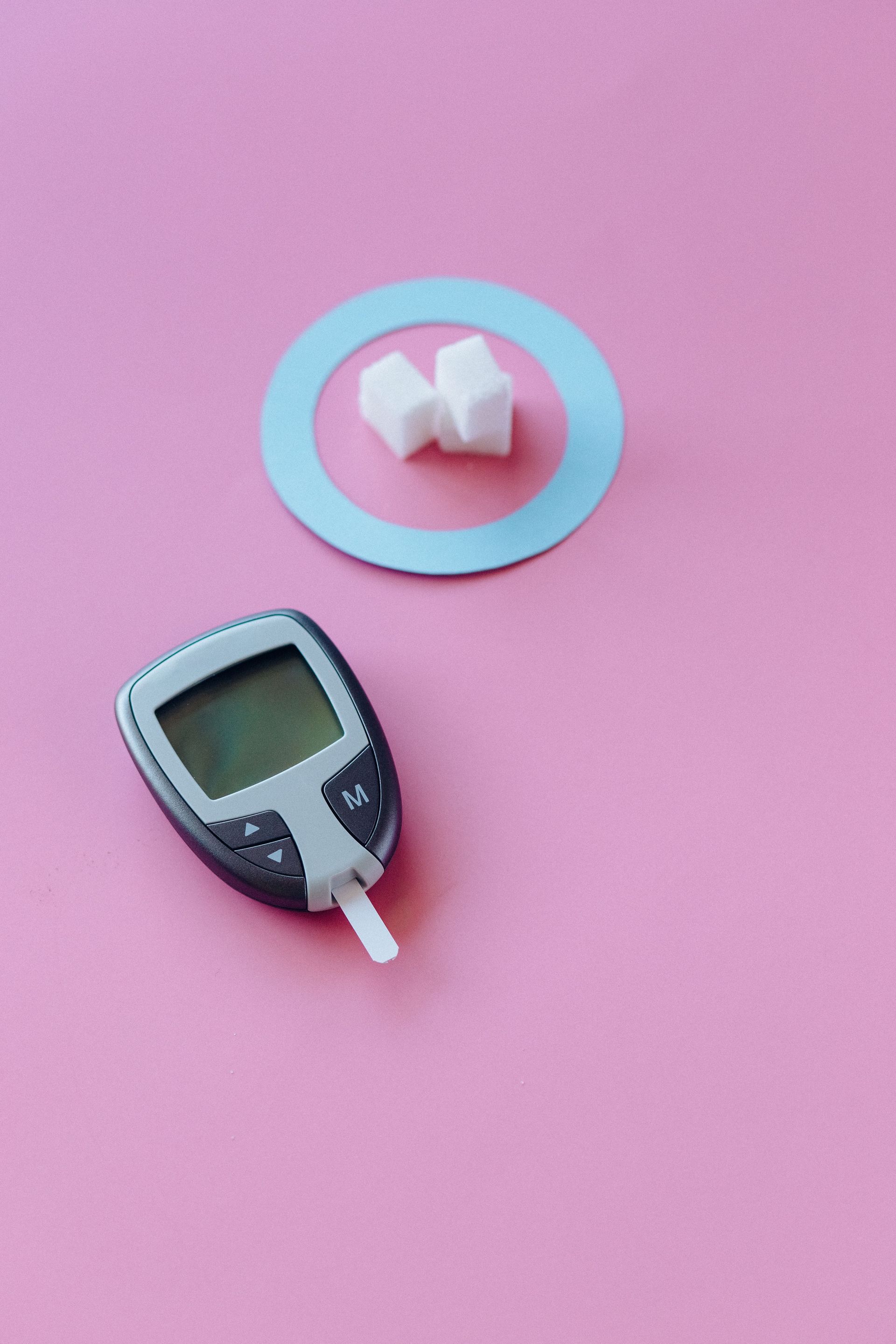
- Diabetes
- Thyroid disease
- Obesity
Chronic pain differs from another type of pain called acute pain. Acute pain happens when you get hurt, such as experiencing a simple cut to your skin or a broken bone. It doesn’t last long, and it goes away after your body heals from whatever caused the pain. In contrast, chronic pain continues long after you recover from an injury or illness. Sometimes it even happens for no obvious reason.
Symptoms and Causes
What are the signs and symptoms of hormonal imbalance?
Because your body makes over 50 different hormones — all of which contribute to important bodily functions — you could experience several different symptoms depending on which hormonal imbalance you have.
It’s important to know that many of the following symptoms could be caused by other conditions, not just from a hormonal imbalance. If you ever notice a change in your day-to-day health and are experiencing new, persistent symptoms, it’s important to talk to your healthcare provider — no matter what you think the cause might be.
Hormone imbalance symptoms that affect your metabolism
Common hormonal imbalances include those that affect your metabolism. Your metabolism consists of the chemical reactions in your body’s cells that change the food you eat into energy. Many different hormones and processes are involved in metabolism.
Symptoms of hormonal imbalances that affect your metabolism include:
- Slow heartbeat or rapid heartbeat (tachycardia).
- Unexplained weight gain or weight loss.
- Fatigue.
- Constipation.
- Diarrhea or more frequent bowel movements.
- Numbness and tingling in your hands.
- Higher-than-normal blood cholesterol levels.
- Depression or anxiety.
- Being unable to tolerate cold temperatures or warm temperatures.
- Dry, coarse skin and hair.
- Thin, warm and moist skin.
- Irregular body fat distribution.
- Darkened skin in your armpit or the back and sides of your neck (acanthosis nigricans).
- Skin tags (small skin growths).
- Extreme thirst and frequent urination.
Sex hormone imbalance symptoms for women
Women can have imbalances of the sex hormones estrogen and progesterone, which the ovaries produce. They can also have excess testosterone and androgens. An imbalance in sex hormones can cause the following symptoms in women:
- Acne on your face, chest and/or upper back.
- Hair loss.
- Heavy periods.
- Hirsutism (excess body hair).
- Hot flashes.
- Infertility.
- Irregular periods.
- Loss of interest in sex.
- Vaginal atrophy.
- Vaginal dryness.
Sex hormone imbalance symptoms for men
Men can have an imbalance of testosterone, which the testes produce, and other sex hormones, which can cause the following symptoms:
- Decrease or loss of body hair.
- Erectile dysfunction (ED).
- Gynecomastia (enlarged breast tissue).
- Infertility.
- Loss of interest in sex.
- Loss of muscle mass.
What causes hormonal imbalances?
Throughout your life — and even throughout the day — your hormone levels naturally rise and fall.
Certain periods of life cause more dramatic changes and fluctuations in hormones, including:
- Puberty.
- Pregnancy.
- Menopause.
However, there are several other reasons why your hormone levels may be irregular at unexpected times. Some of the most common causes of fluctuating or imbalanced hormone levels include:
- Stress.
- Certain medications.
- Steroid use.
These hormonal imbalances are more likely to be temporary or fixable with a change in medication or properly managing stress.
Chronic hormone-related conditions can have several different possible causes. In general, the main conditions or situations that cause medically significant hormone imbalances include:
- Tumors, adenomas or other growths.
- Damage or injury to an endocrine gland.
- Autoimmune conditions.
Tumors, adenomas and growths
Any kind of growth on a gland or organ that produces hormones, such as a tumor, adenoma or nodule, could affect its ability to do so.
Tumors -Rare endocrine tumors form in glands or in cells that produce hormones and can cause hormone imbalances.
Adenomas – An adenoma is a benign (noncancerous) tumor. Many adenomas are nonfunctioning, meaning they don’t produce hormones. But some can produce excess hormones. These are called functioning adenomas.
Other growths -Growths other than tumors and adenomas on endocrine glands can cause hormone imbalances. For example, thyroid nodules, an unusual growth (lump) of cells in your thyroid gland, can cause hyperthyroidism or hypothyroidism.
Damage or injury to an endocrine gland – Any kind of damage or injury to an endocrine gland can cause hormone imbalances — usually a lack (deficiency) of hormones. Damage could result from the following conditions or situations:
- Accidental damage from surgery
- Excessive blood loss or lack of blood flow to an endocrine gland
- Bacterial or viral illness
- Radiation therapy
- Brain or head trauma (also calledtraumatic brain injury, or TBI
Autoimmune conditions- An autoimmune disease happens when your immune system accidentally attacks a part of your body instead of protecting it. It’s unclear why your immune system does this. If your immune system attacks a gland or organ that produces hormones, it causes a hormonal imbalance. Autoimmune endocrine conditions include:
- Hashimoto’s disease.
- Graves’ disease.
- Type 1 diabetes.
- Addison’s disease .
- Polyglandular syndromes.
How are hormonal imbalances diagnosed?
Healthcare providers typically order blood tests to check hormone levels since your endocrine glands release hormones directly into your bloodstream.
Certain hormone levels vary drastically throughout the day, so providers may order other tests to measure your levels, such as a glucose tolerance test or insulin tolerance test.
Your provider will also ask you about your medical history and symptoms and perform a physical exam.