Unseen Struggle: Alopecia
What is Alopecia
Alopecia is a disease that develops when an individual’s body attacks its own hair follicles, resulting in unpredictable hair loss. According to the National Alopecia Areata Foundation, approximately 6.8 million Americans have or will develop Alopecia..
Types of Alopecia
The medical term for baldness is “alopecia”. When referring to the disease, there are various versions of Alopecia that a person may suffer from:
- Diffuse Alopecia – an overall thinning of the hair on the scalp
- Alopecia Areata – patchy baldness that can develop anywhere on the body (scalp and facial hair being the most common).
- Ophiasis Alopecia – hair loss is around the sides or back of the head, creating a band shape of baldness
- Alopecia Totalis – the complete loss of hair on the scalp, not just in patchy spots. A person suffering from Alopecia Totalis will be completely bald.
- Alopecia Universalis – the complete loss of hair over the entire body. This is the most rare form of Alopecia.
Young woman with alopecia
Causes
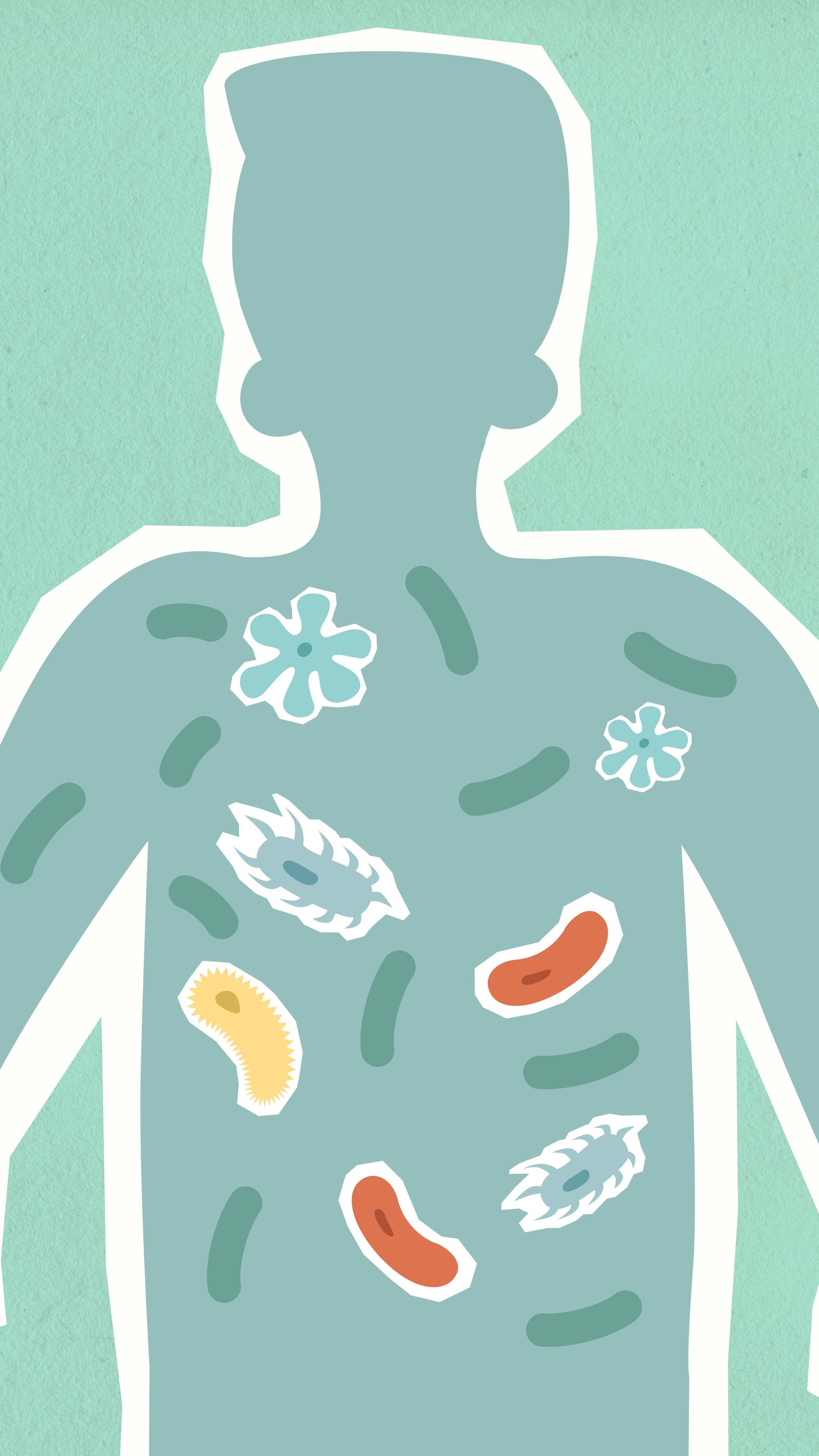
Alopecia is classified as an autoimmune disease, whereas your immune system mistakenly attacks part or parts of your body. Alopecia is caused when cells in your immune system attack your hair follicles, causing the attached hair to fall out.
Scientists have yet to determine the reason a person will develop Alopecia, but they have identified people who have a greater risk of developing it. Such as, those individuals with a close blood relative who suffers from Alopecia. Research also shows that people who have other conditions, such as Down Syndrome, Thyroid Disease, Asthma, Atopic Dermatitis, Vitiligo, are more likely to get Alopecia.
Alopecia can develop at any age, but the majority of people who have Alopecia have developed it by age 30. Alopecia is known to also be triggered by stress, vitamin deficiencies, and hormonal changes.
Naturopathic Treatment
As with all naturopathic treatments plans, our efforts begin with working with the
underlying cause(s). We’ll dig into genetics, family history, immune functions,
hormonal imbalances, environmental stressors, and nutritional stressors.
Our four primary factors which are of focus for the reversal of hair loss progression are:
- Endocrine imbalances
- Poor absorption of proper trace elements that contribute to incomplete nutrition of hair follicles.
- Reduction of Dihydrotestosterone (DHT) from high cortisol stress periods.
- Reversal of poor cell metabolism caused by poor kidney/ liver deficiencies function, resulting in the lack of proper blood flow to the hair follicles.
Our goal is to understand the cause of your hair loss and work on a plan dedicated specifically to treat your needs.